There are no easy answers for Afghanistan. Take the recent elections; are there palatable options to fixing that mess? You can accept the results which are unpalatable, you can hold a run off which would probably be an even bigger farce; you could hold an emergency Loya Jirga and start over (could you imagine that?) There are a few more options available I suppose but none of them very attractive. President Obama appears to be “voting present” for the time being but there is General McChrystal’s leaked confidential report in Washington to get the chattering classes focused on everything except what’s happening on the ground in Afghanistan. 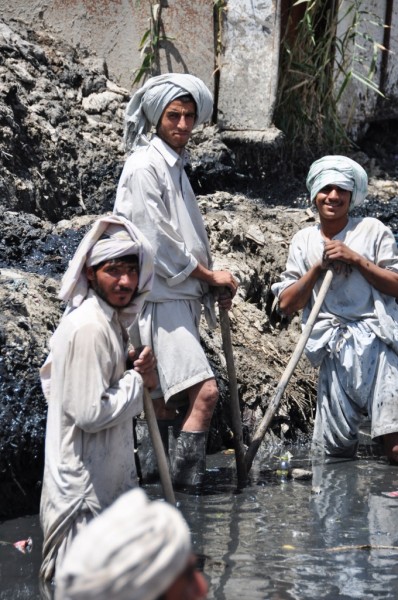
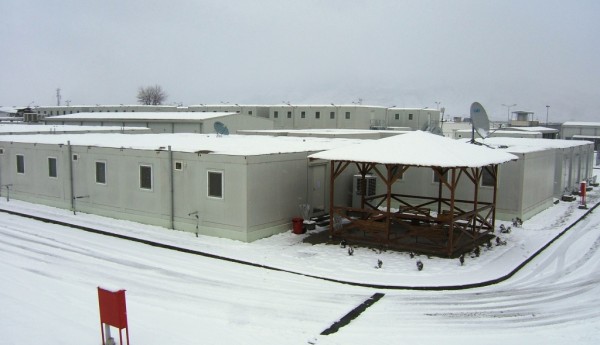
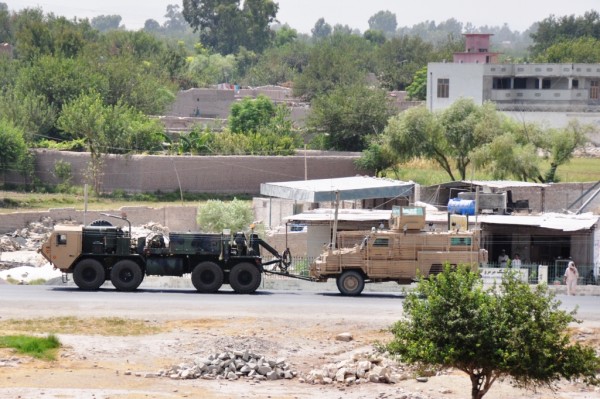
The military is asking for more troops but to do what? Unless they move off the FOB’s and out into the local population they do little more than create and targets go opportunity for the various armed opposition groups (AOG’s) who plague the countryside. The only way to secure the people is to live with the people It’s just that simple.
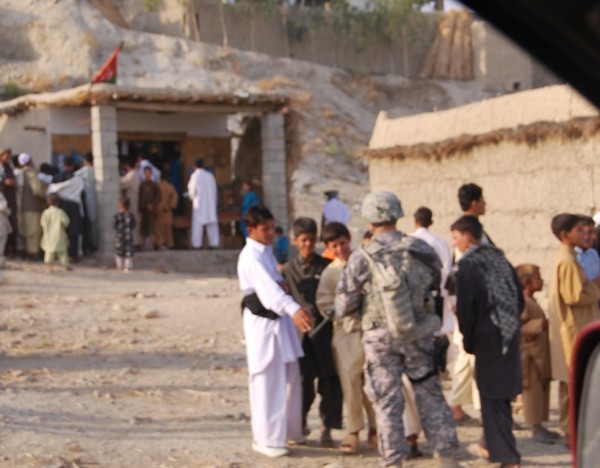
Unless the present FOB bound kinetic ops orientation is completely eliminated we will leave here in worse shape than we are now and right now which is not great. We are spending billions of dollars we do not have and gaining not one damn thing for it. When we started this fight President Bush said “we will not falter, we will not tire, we will not fail.” In Afghanistan the military is tired; worn out by back to back to back deployments. We are clearly failing by any unit of measurement and it now appears we are faltering too.
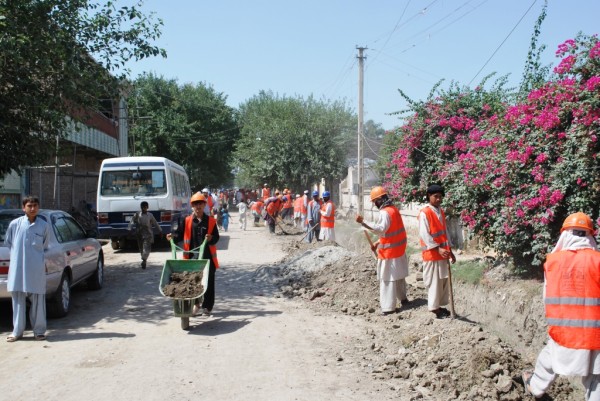
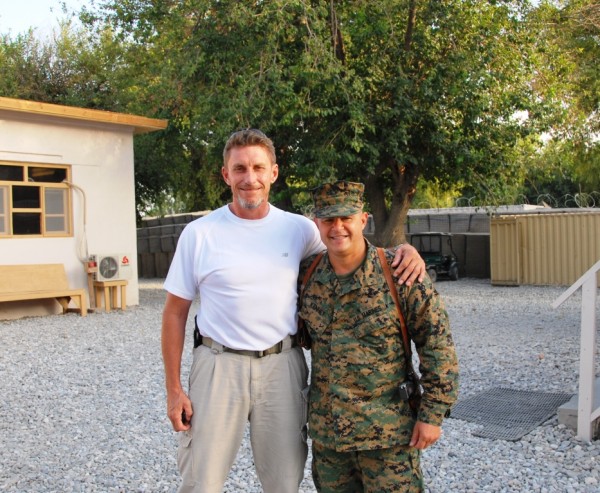
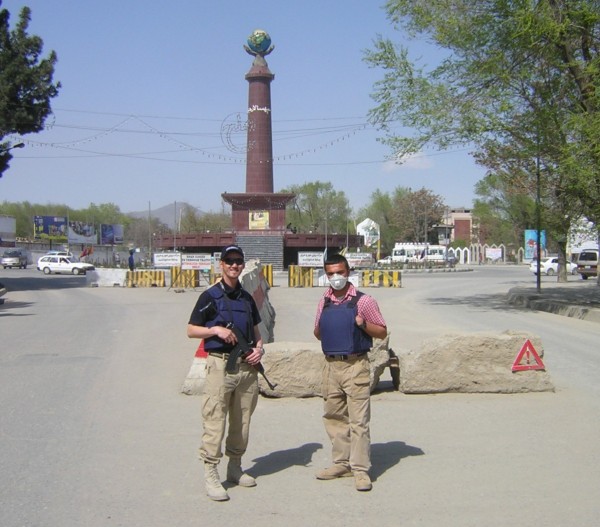
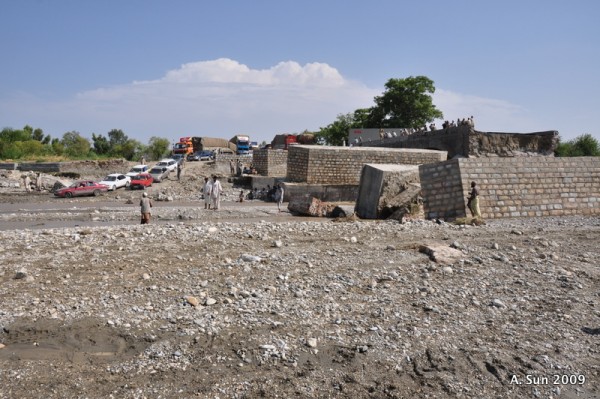
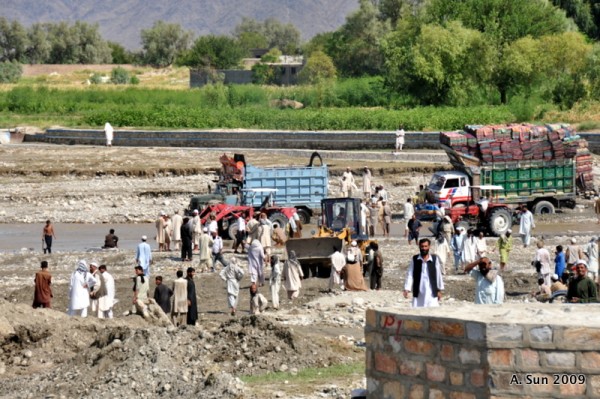
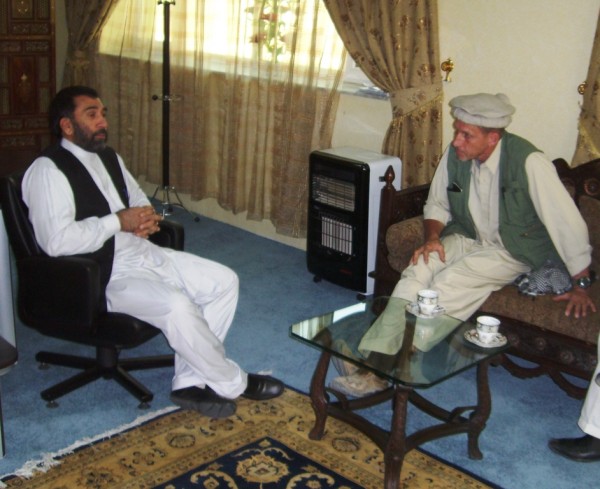
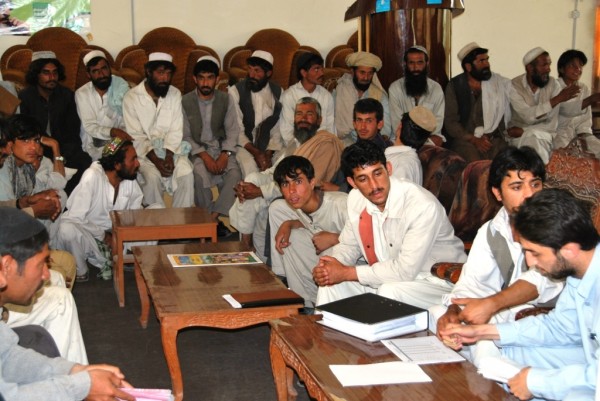
To validate my claim I have to rely on my personal experience. My colleagues and I are finishing up a six month cash for work program focused on Kandahar, Jalalabad, Gardez and Lahska Gar. Not easy places to work (except Jalalabad which is a great place to work) and Tim the Canadian had over 5,000 people working in Kandahar, Ranger Will over 2,000 in Lashka Gar – I had 4,002 working in Jalalabad and over 2,000 in Gardez. Compare those numbers to the performance of the massive PRT’s located in those towns – it is not even close. I think the Canadians in Kandahar reported a total of 136 cash for work recipients for 2009. We get results because we live and work in the community and operate in close coordination with the municipal authorities who we see almost daily. Plus we control the cash.
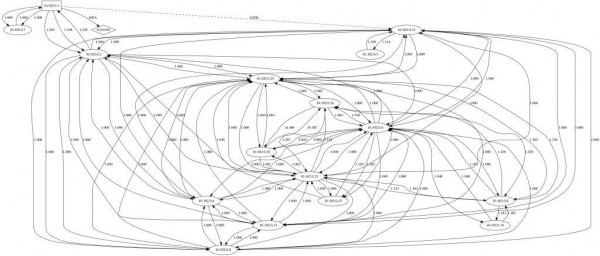
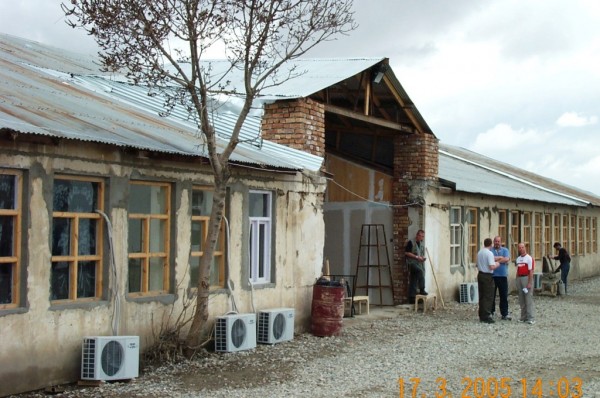
Look at the diagram above and contemplate the fact that there are several large multi-million dollar contracts out to bring internet connectivity to Afghanistan, but the contractors have yet to figure out how to engineer the job. While they spend a fortune planning the Fab Folks surged here last month from both Cambridge England, and Cambridge Massachusetts, (and Iceland) to move the FabLab to a better location downtown and install more internet links to local schools and NGO’s. They are able to so much because they are outside the artificial security bubble that disrupts aid efforts in Afghanistan. J.D. Johannes did an excellent job of describing the Afghan security bubble in this post.

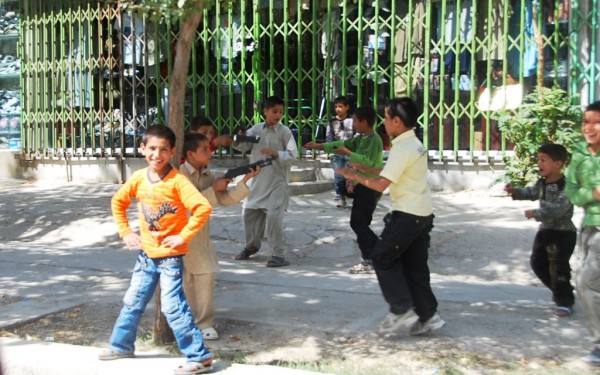
The Fab Folk believe the center of gravity in Afghanistan is the children. Lots of people think the center of gravity for any society are the children. But the Fab Folks put their skin in the game to teach the Afghans not just how to use a computer but how to build a network. They feel the more exposure children have to other children via the FabLab video conference software the better.
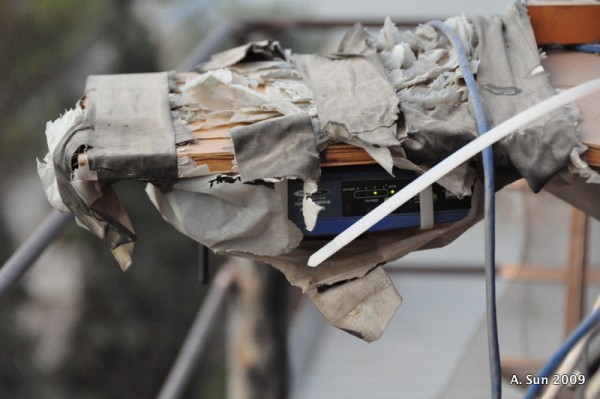
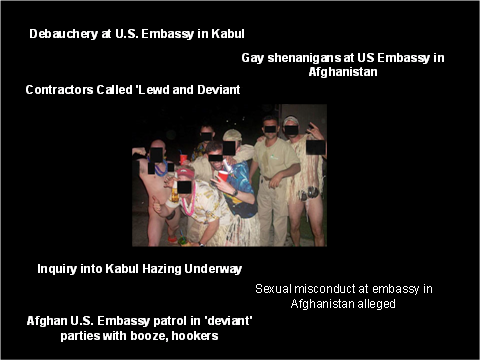
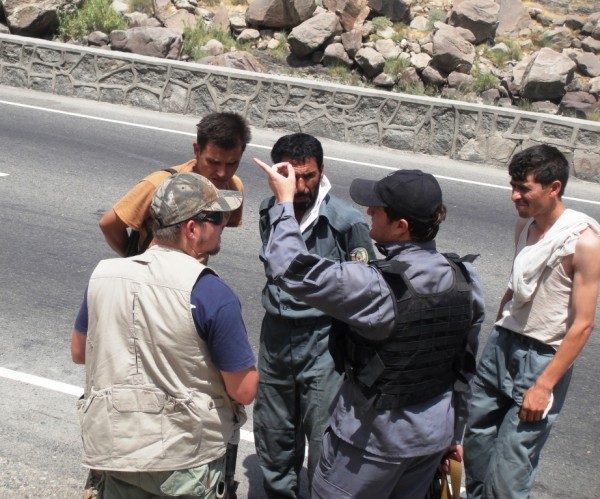
Contractors have a bad name in this current campaign for several reasons not the least of which is some of them have earned a bad name. But I’ll tell you this – find me a contract where the men are out of control and I’ll show you a contract where the contracting officer has completely abdicated his contractual and legal obligations. Jake Allen has an excellent podcast on contracting over at the Private Military Herald which can be found here. He hits the nail on the head in an interview with Danielle Brian from POGO concerning the American Embassy Guard Contract. As I observed in my post on the topic it would be impossible to execute the contract as tendered and still make a profit. But the private security industry is not full of competent cutthroats it’s full of stupid greedy cutthroats.
The PMC market is run by retired military officers have no experience with profit and loss statements – we deal exclusively in loss statements during our professional lives. That is the nature of government service. The nature of private security contracting is to cut bids back to the slimmest of margins in order to win the contracts which always go to the lowest bidder. My estimate is that over 50% of the security contracts currently active in Afghanistan are losing money. Few of the Afghan PMC’s have the expertise to determine the exact profit point on a dynamic contract with unfunded hard requirements.
Just throwing out more contracts to attract contractors will not work for Afghanistan. It is clear the contracting system is completely dysfunctional and repeatedly produces the worst possible outcomes (look at how are vitally important interpreter corps is being treated.) The only way for this to work is to have battle space commanders not only write the release the contract but insist that the program management and most of the people on that contract are people he knows. Officers or NCO’s he has served with and trusts. I would further argue that the teams going out to districts to replicate what we did in the most contested cites of the country be CivMil – both civilian contractor and military personnel who live where they work. The military part of the team could focus on the most important mission we have and that is to mentor Afghan Security Forces and in some cases help them fight.

Here is why the contracting piece could work if done correctly. Again I use my personal experience to illustrate. I know every infantry Regimental Commander in the Marine Corps. Some are good friends the rest good acquaintances. If I am in charge of a contract let by them where I report to them what are my motivations to do a superior job? It is not money it is my allegiance to peers whom I have known all my adult life and whom I greatly admire and respect. My reputation for getting the mission done is at stake – this is the level of trust and respect needed to get civ/mil teams into the districts. Cost plus contract with clearly stated profit margins which can be easily understood by all – in a dynamic environment simple is smart. When a commander can look at his contractor and say “Timmy I want you to do to this DAC, set up a good safe house, and complete the following tasks….” When the commanders knows that is all the guidance he need provide to get important tasks to operate with speed and vision.
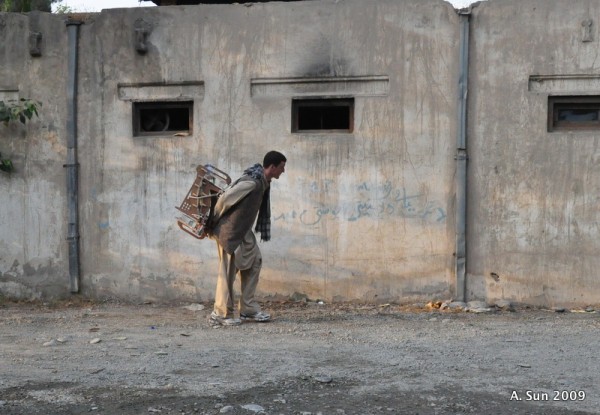
For those of you who do not think my idea is crazy enough I take it one step further. The military should start a program for junior officers and enlisted to participate in these projects as civilians on the contractor side. They would get a three year $1,000 a day contracts and owe three years of service when they complete the contract. Many of the problems which accompany long duration deployments disappear when you get to the $1,000 a day pay scale. And paying these contractors $1000 a day is pennies on the dollar to what we spend to keep an individual service member deployed in country. Most importantly the worth of an officer (or NCO) who has spent three years living in the same province in Afghanistan has to be about 40 times that of an officer (or NCO) who has completed a master degree program.
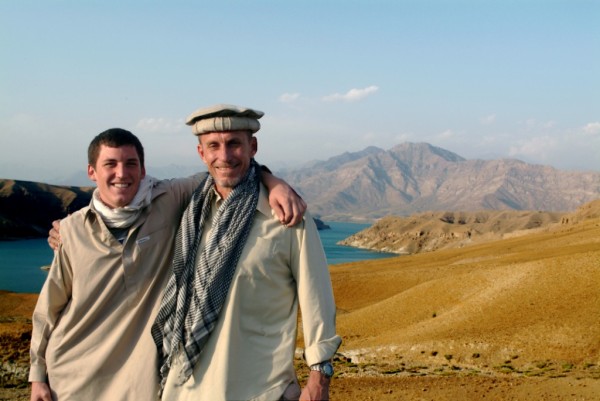
There are no easy answers but if we want to get the work done which is required to reach an acceptable end state our options are severely constrained. You just have to get off the FOB’s, off our collective fat asses and do it. But it will take a completely different approach to writing and awarding contracts to accomplish the mission.